Sell your property in Montréal

Selling your property in Montréal means bringing together the asking price, property information, marketing and your schedule. Mario Conte, a RE/MAX Action real estate broker practising since 1998, accompanies house, condo and plex sales in Montréal, Westmount and Laval.

Begin with your property and what you want to achieve. To book a first call, mention the area, property type and timing you have in mind. You can also call Mario at (514) 894-9400.

Request an opinion of value

On this page

  1. Step 1 Your property
  2. Step 2 Your details

Find out the market value of your property!

Enter your address and get the value

0
0

How your asking price is set

As the seller, you decide the asking price. Mario helps you examine comparable properties and positioning; the decision remains yours. The price is discussed in relation to the property and the market in which it will be offered. Your purchase price, renovation spending or municipal assessment does not automatically establish a selling price.

Opinion of value, municipal assessment and certified appraisal

Reference What is its purpose? How does it help your project?
A broker's opinion of value Prepare a discussion about positioning a property for sale. Review the relevant property information and comparisons with the broker.
Municipal assessment Record a value on an assessment roll for municipal taxation. Check the property's record and the period covered by the roll.
An appraiser's report Provide a professional opinion under the appraiser's specific mandate. Consult the professional when your situation requires that type of report.

The Ordre des évaluateurs agréés du Québec (in French) explains the appraiser's role. A broker's opinion prepared for a potential sale is not a certified appraisal report.
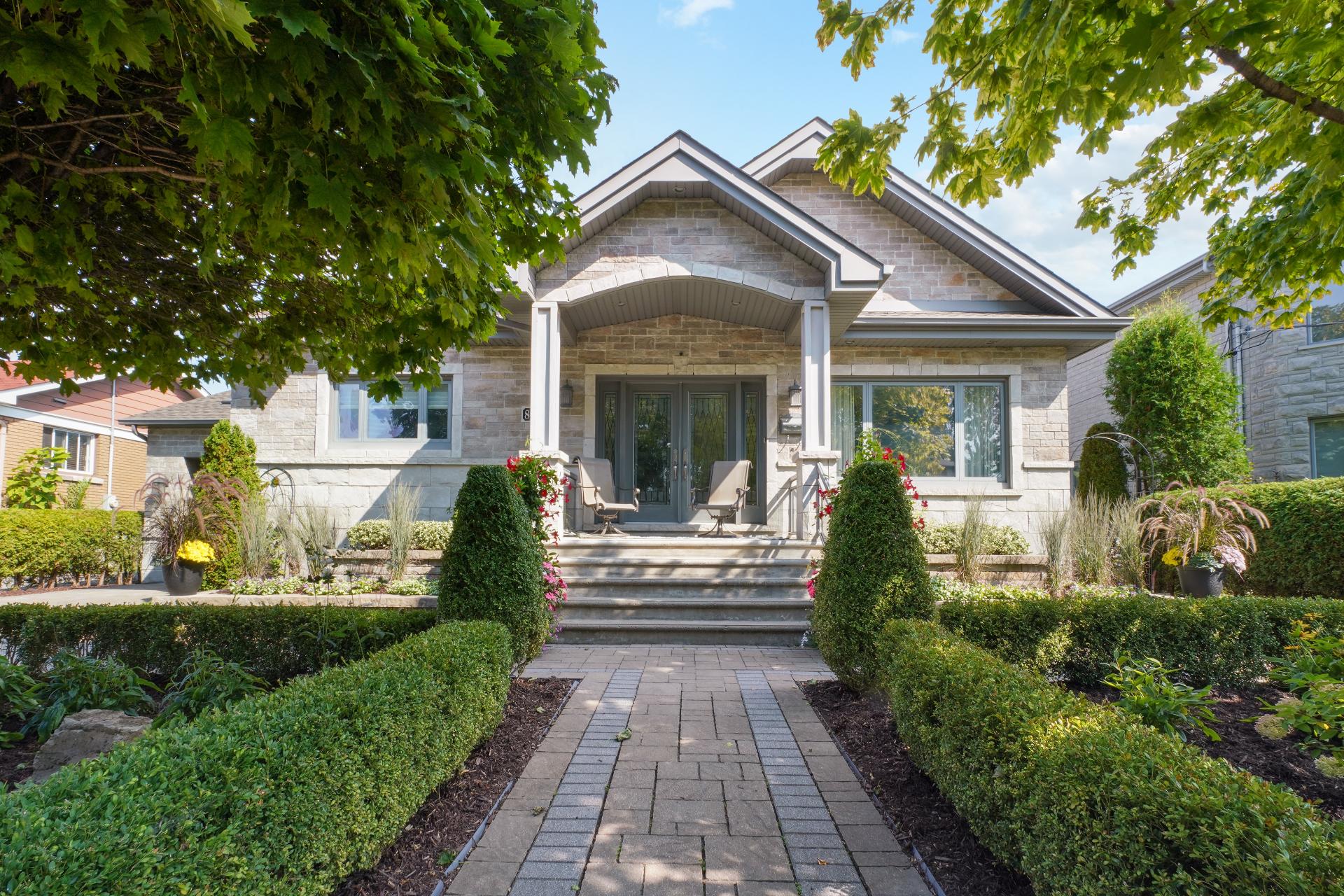
Landscaped entrance of an upscale home

Information to examine

Bring together your property's characteristics, documented improvements and known constraints. Comparable sales and active competition need to be read with their differences: location, size, condition, land, occupancy and transaction terms.

A neighbour's asking price is not necessarily the price obtained. Renovation spending does not automatically add the same amount to a sale price. Ask which comparisons help explain your property and which differences limit their relevance.

The current market statistics add context. Check the property category, period and geography before applying a figure to your situation. Choosing an asking price is a decision based on the available information, without a guaranteed final price.

Downtown Montréal street with Mount Royal

Find your municipal assessment

Start with the official municipal service and search using your property's address. Montréal provides its property assessment roll (in French). Westmount's valuation-roll service explains the lookup and Montréal's agglomeration assessment role. For Laval, use the official City of Laval website.

For Montréal's 2026-2027-2028 roll, the City identifies July 1, 2024 as the reference date (in French). That value therefore does not automatically describe the market on your selling date. Record the roll period and the characteristics shown. This provides the municipal reference. Interpreting it for a sale belongs in the asking-price discussion rather than in a separate price prediction.

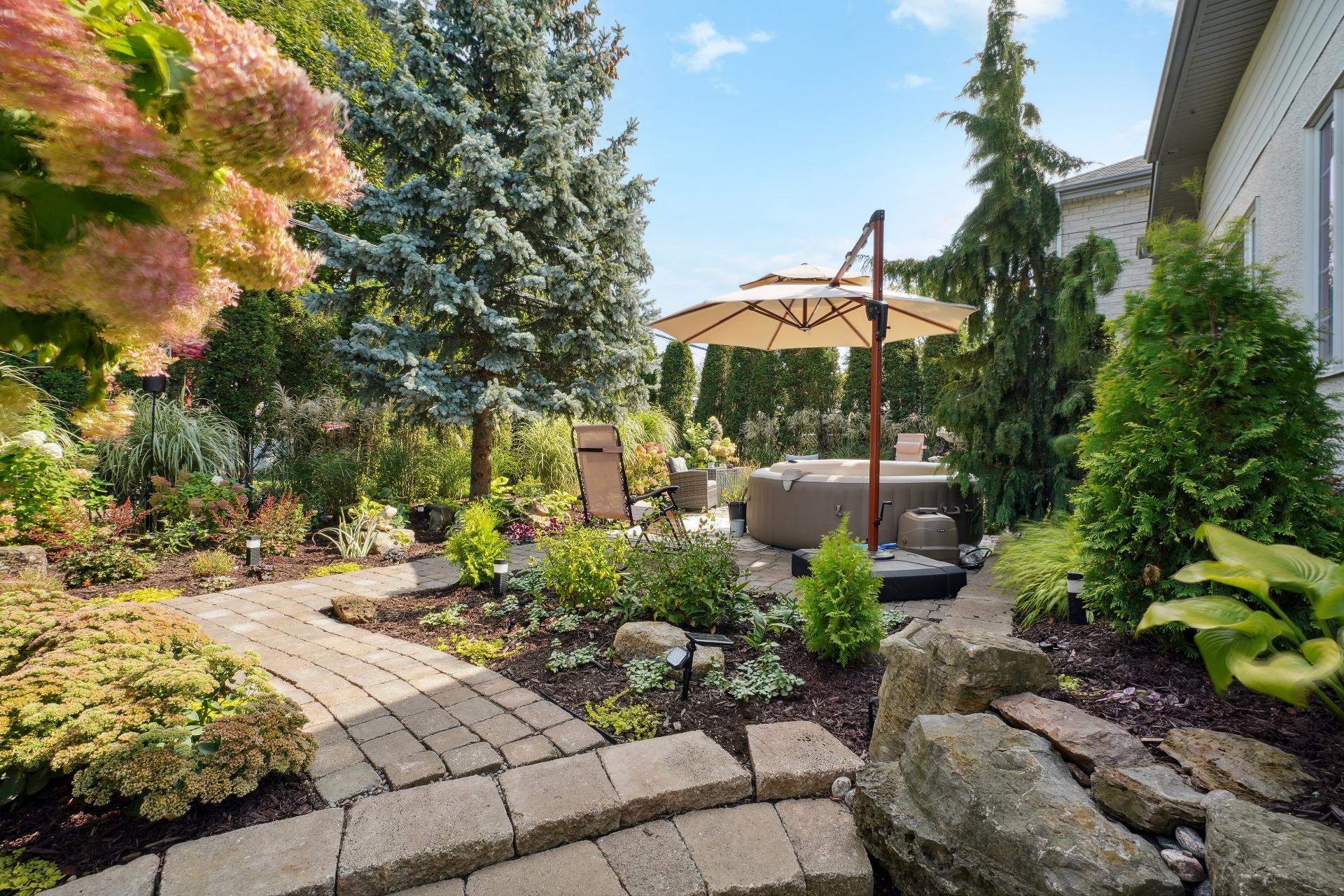
Landscaped backyard of an upscale home

Prepare for photography and visits

Decide what to repair and what to document

List maintenance needs, completed work and known problems. Look for invoices, dates and any applicable permits or warranties. A documented improvement is different from a statement based only on recollection.

Discuss proposed work before spending money solely in the hope of a higher price. Some items concern presentation; others need a technical opinion. A broker does not replace the contractor or specialist who should assess a problem.

Make the property understandable

Before photographs, clear spaces, put away personal items and make the room layout easy to understand. For visits, plan access to the relevant areas and provide practical instructions.

Photos and descriptions should present the property without concealing important information. The agreed promotional services are described in our marketing plan. No staging or renovation service is assumed to be included.

Prepare the property declarations

The OACIQ seller-declarations guide explains how property information is recorded. Gather the documents that support your answers. Flag uncertainty for examination rather than guessing a date or the condition of an item.

Documents to gather

The useful records depend on the property and transaction. This is a preparation list, not a statement that every document is mandatory in every sale.

Document or information Why gather it?
Purchase deed and title information Identify the property and prepare the file checks.
Certificate of location Let the notary determine whether the available document suits the transaction.
Tax bills and municipal records Check the references and recorded characteristics.
Mortgage documents Ask the lender about the balance and consequences of repayment.
Renovation invoices and warranty information Separate documented work from items that still need clarification.

For a condo, continue with the syndicate records in the condo-sale section. For a plex, leases, income and expenses belong in the income-property section below. Avoid sending unnecessary personal information through an initial contact form.

The sale process

  1. Prepare the project: explain your situation, timing and available records.
  2. Discuss positioning: review the asking price and the information supporting it.
  3. Understand the brokerage contract: clarify services, terms and remuneration before signing.
  4. Present the property: prepare the file and the agreed marketing.
  5. Organize visits and offers: gather questions and consider proposals received.
  6. Follow the conditions: check the steps and deadlines in the accepted documents.
  7. Prepare signing and occupancy: coordinate the notary's information requests and the agreed schedule.

These steps depend on the file. A document issue, condition or proposed date may require further examination. No fixed selling period is promised.

Receiving a promise to purchase

Compare the whole offer, rather than the price alone. Consider financing, inspection, documents to review, inclusions and dates alongside the proposed amount.

Consult the OACIQ guide to receiving a promise to purchase.

Point to compare Question to ask
Offered price What amount and inclusions are actually proposed?
Deposit What arrangements are stated, without treating the deposit as a fulfilled condition?
Financing and inspection What remains to be checked, and which deadlines apply?
Other conditions Which event or document still needs confirmation?
Signing and occupancy Does the schedule fit your sale and next home?

Depending on the situation, you may accept, refuse or discuss a counter-proposal. Have the consequences explained before agreeing. The promise-to-purchase conditions are covered in the dedicated guide; this page remains focused on your seller-side process.

If your property is not selling

Few visits or no offers are reasons to examine several possibilities. They do not establish, by themselves, that price or market conditions are the cause.

  • Few enquiries: check distribution, presentation and the search criteria the listing answers.
  • Visits without follow-up: examine the questions and comments received, distinguishing opinion from an established problem.
  • A difference from competing properties: compare condition, characteristics and availability, rather than prices alone.
  • Timing difficulties: reconsider proposed dates and the needs of your next property project.

Discuss possible adjustments with Mario. If you are considering changing brokers or strategy, review the existing contract terms first. No particular adjustment or sale within a set number of days is guaranteed.

Broker remuneration

The form and amount of remuneration are discussed and recorded in the brokerage contract. There is no universal percentage for every sale. The OACIQ explains remuneration payable by the seller.

Before signing, ask what is included, when remuneration becomes payable, and how applicable taxes and any remuneration sharing between brokers are handled. Separate remuneration from the other costs to plan for. Discuss the proposed terms for your project directly with Mario.

Costs that reduce your net proceeds

The selling price is not the amount you will keep. To prepare an estimate of net proceeds, distinguish the mortgage balance, costs confirmed by your professionals and contractual commitments.

Item to check Who provides the amount or terms?
Mortgage balance and repayment Your lender.
Any prepayment penalty Your lender, under your mortgage agreement.
Broker remuneration and applicable taxes The brokerage contract and broker's explanation.
Seller-paid notarial items and discharge The notary handling the transaction.
A certificate of location update The notary and land surveyor, depending on the file.
Agreed work and other commitments The accepted documents and relevant professionals.

The preparation formula is selling price less mortgage balance, applicable penalties, remuneration and other confirmed costs. Do not substitute a default percentage or fee for information specific to your file. Ask your accountant or tax professional about tax questions relating to your situation.

Selling a condo

Gather the records available from the syndicate: declaration of co-ownership, financial statements, budget, minutes, insurance and information about funds, work and special assessments. Ask which records are relevant and what information remains to be obtained.

Clarify parking and storage rights and building rules. An observed use does not establish the right that will transfer to the buyer. The distinction between divided vs undivided co-ownership is explained separately; tenure should not be inferred from the word condo in an advertisement.

Selling a plex or income property

Prepare the leases, rent roll, occupancy information and documented operating expenses. Distinguish billed amounts, rent actually received and information that needs clarification.

Visits must account for tenants and the applicable arrangements. A sale is not, by itself, a promise of vacant possession or changed leases. For rental-law questions, consult the Tribunal administratif du logement (in French) and the appropriate professional.

The income plexes currently listed show properties, not proof of a return or the ability to occupy a unit.

Coordinate the sale with your next purchase

Your selling schedule may depend on another purchase, financing or temporary accommodation. Consider whether to sell before or after you buy before selecting the order. A preferred date is not secured until the necessary terms are confirmed.

Selling in your area

Mario accompanies sellers in these areas:

Each property is considered through its own characteristics and records. An area page does not guarantee a price or selling period for properties there.

Request an opinion of value for your sale

Provide your name, a way to reach you, the address or area, property type and proposed timing. Mention recent work and the questions you would like to discuss. Keep sensitive documents for the appropriate exchange with the professional involved.

Discuss selling my propertyCall (514) 894-9400

Recognition

RE/MAX Awards and Recognition

broker since
1998
RE/MAX Québec
Top 1%
RE/MAX
Hall of Fame