Updated 22 November 2026.
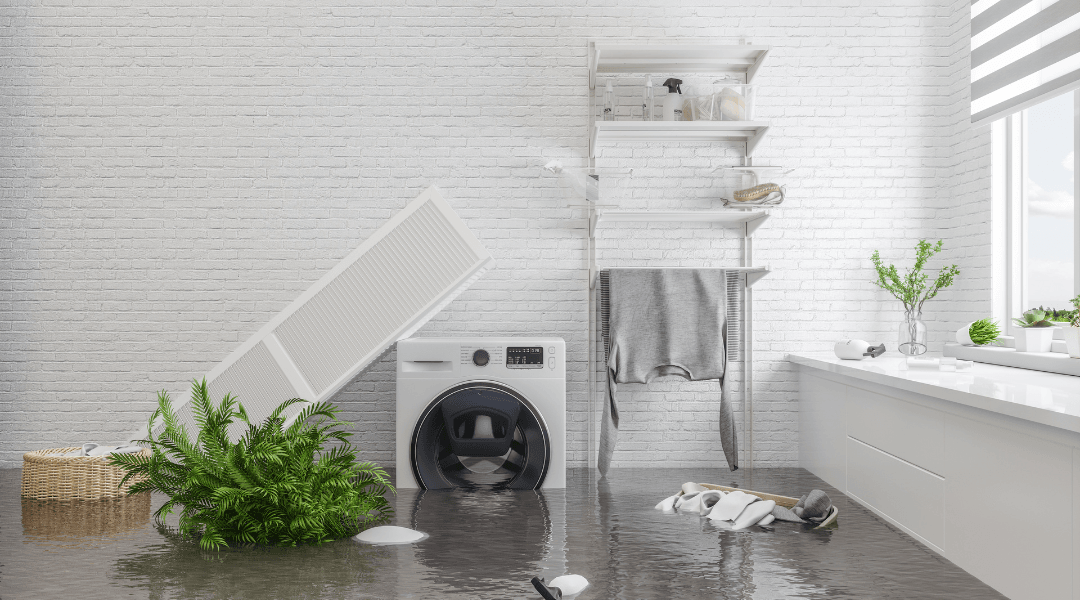
Water damage can start with a plumbing leak, a drainage problem, sewer backup or flooding. Identifying the source matters for the repair, the purchase decision and the questions you put to an insurer. A newly finished basement does not establish that an earlier problem has been resolved.
If water is entering now
Put personal safety first. Do not enter water near electrical equipment or attempt to operate equipment while standing in water. Keep away from a damaged area and obtain emergency assistance where necessary. Stop a plumbing leak only if the shutoff can be reached safely; otherwise seek professional help. Follow the authorities' instructions during a flood.
Contact your insurer promptly and ask what documentation and emergency measures it requires. If it is safe, photograph the damage and keep records of communications, invoices and work. Do not assume that a household fan or a quick surface cleanup establishes that concealed materials are dry or suitable to keep.
Arrange the right assessment
Ask qualified professionals to identify the source and the extent of the damage. Explain whether the issue followed heavy rain, a plumbing failure or another event. Keep the written findings, the repair scope and the work records. Covering a stain without understanding the source can leave a buyer or owner with an unanswered question.
Where materials are contaminated, concealed or potentially hazardous, ask the appropriate specialist how they should be handled. Do not disturb suspect older materials as part of an improvised cleanup. Repairs should address the cause as well as the visible finish.
Checking a property before you buy
Start with the Québec government's flood-zone property check. Search the actual address or lot and read which mapping information applies. Ask the municipality for clarification where needed. Save the result and date rather than relying on a neighbour's description of the area.
Next, review the seller declarations and available history. Ask about water entry, sewer backup, claims, drainage work and repairs. Request invoices and specialist reports where available. A map result does not replace disclosure of events at the building.
Finally, take the unresolved questions to your inspector and insurer. Ask the inspector what observations require further evaluation and what could not be checked. Give the insurer the property details and ask about the proposed coverage, exclusions, limits and deductibles. A map result does not establish structural condition or insurability, and being outside a mapped zone does not mean that every water risk is absent.
Understand the policy you are buying
Different sources of water damage can be treated differently under a policy. Do not assume that an ordinary home policy covers every plumbing failure, external flood or sewer backup. Ask the insurer to explain the wording for your situation and to confirm any endorsement before you rely on it.
For a purchase, have this conversation early enough to resolve a coverage problem within the transaction timetable. Keep the insurer's answer with your financing and inspection follow-up. An insurance quote is not a building-condition report, just as an inspection report is not a promise of coverage.
Reduce uncertainty through maintenance records
Keep drains and water-management components accessible for maintenance and have concerns evaluated by qualified professionals. Record inspections, repairs and any recurrence. Follow the manufacturer's and professional's instructions for equipment such as a sump pump rather than assuming that its presence means it is functioning effectively.
If you are selling, gather the history before listing and discuss the declarations with your broker. If you are buying, separate what is documented from what remains an assumption. The goal is a clear picture of the issue and the next steps, rather than reassurance based only on a dry visit.
For related maintenance and inspection follow-up, read more home-care advice and learn how to read an inspection report.
To discuss the property side of your project, speak with Mario or call (514) 894-9400. Mario Conte has practised residential brokerage with RE/MAX Action since 1998.